Health and Safety Policy for Gardeners Lower Morden
 Health and safety is a core part of professional gardening, helping every task run smoothly while reducing avoidable risk. For gardeners in Lower Morden, a clear policy supports safe working habits across domestic gardens, shared outdoor spaces, and routine maintenance visits. This policy sets out the standards expected from gardening teams, covering planning, hazard awareness, safe equipment use, and responsible behaviour on site. It is designed to protect workers, clients, visitors, pets, and property while keeping work efficient and well organised.
Every gardening assignment should begin with a simple assessment of the space, the work required, and any conditions that could affect safety. Uneven ground, wet surfaces, hidden debris, thorny plants, power tools, and manual handling tasks all require careful attention. A good gardener health and safety policy ensures that risks are identified before work starts and that suitable controls are in place. This approach helps prevent slips, trips, strains, cuts, and accidental damage to surrounding areas.
All gardeners must be trained to carry out their work safely and to recognise when conditions are unsuitable or require extra precautions. 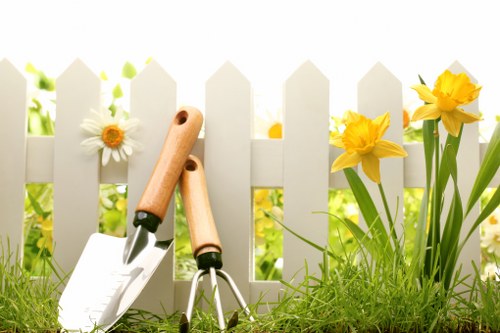 They should understand how to use hand tools and machinery correctly, wear appropriate protective equipment, and maintain a clean working area. Personal responsibility matters greatly in outdoor work, where changing weather and varied terrain can create hazards throughout the day. Clear communication between team members supports safer decisions and helps ensure everyone follows the same standards.
Protective clothing should be selected according to the task. Gloves, safety footwear, eye protection, hearing protection, and weather-appropriate clothing may all be necessary depending on the job. Where cutting, pruning, or lifting is involved, the right equipment reduces the chance of injury and supports better control. A reliable health and safety policy for gardeners also requires that all tools are inspected before use, kept in good condition, and stored safely after work is completed.
Manual handling is a common concern in gardening, particularly when moving bags of soil, pots, compost, branches, or paving materials. Safe lifting techniques should always be used, and heavy or awkward items should be moved with assistance or suitable equipment. The aim is to reduce strain on the back, shoulders, and joints while maintaining steady work output. If an item is too large, too heavy, or unstable, the task should be reassessed before continuing.
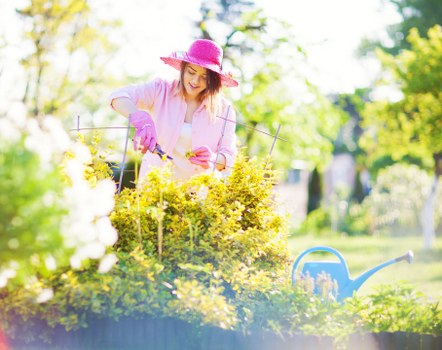 Machinery and powered tools add further responsibilities. Strimmers, mowers, hedge cutters, shredders, and similar equipment must only be operated by competent users who understand the controls, limitations, and safe distances required. Gardener safety procedures should include checks for damaged cords, loose parts, fuel issues, and blocked blades. Machines should be switched off before cleaning, adjusting, or refuelling, and they must never be left unattended in a hazardous state.
Environmental conditions can change quickly, so safe working practices should adapt throughout the day. Rain, ice, strong sunlight, high winds, and poor visibility can all increase risk and affect performance. In hot weather, regular hydration and rest breaks are important; in cold or damp weather, extra care is needed to prevent slips and reduced dexterity. A sensible garden safety policy allows work to pause or change where conditions are no longer suitable.
Public safety is also essential when gardening work takes place near pathways, entrances, driveways, or communal areas. Tools should never be left where they could be tripped over, and waste should be collected promptly to prevent obstruction. Where necessary, temporary barriers or clear visual warnings can help define the work area. Children, pets, and visitors should be kept away from active tasks such as cutting, digging, and spraying.
Another important part of the policy concerns storage, transport, and disposal. Chemicals, fuels, sharp tools, and waste materials must be handled carefully and kept in suitable containers.  Spillages should be cleaned immediately, and hazardous products must not be left accessible to unauthorised people. A professional gardener health and safety policy should also include secure vehicle loading, safe tie-down methods, and careful disposal of green waste in line with general environmental responsibility.
Emergency readiness forms the final layer of protection. Gardeners should know what to do in the event of a cut, fall, allergic reaction, tool failure, fire, or accidental contact with a dangerous substance. First aid supplies should be available where appropriate, and all incidents should be reported and recorded so that lessons can be learned. Prompt action can prevent minor issues from becoming serious problems and helps maintain a culture of safety across all work activities.
Regular reviews keep the policy effective. As methods, tools, and site conditions change, safety procedures should be updated to reflect current needs. Training, supervision, and communication all play a role in maintaining standards, especially when new staff or temporary workers are involved. Consistency, awareness, and accountability are central to dependable garden maintenance, whatever the size or type of project.
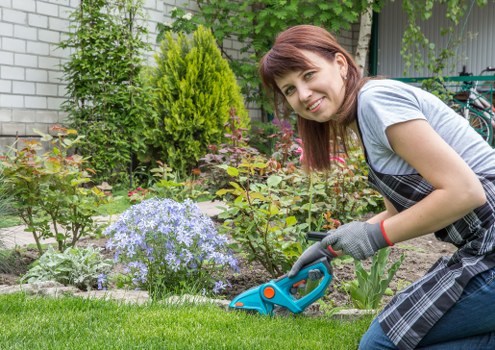 By following a clear and practical health and safety policy for gardeners, outdoor work can be carried out with care, confidence, and professionalism. This supports safe outcomes for the team and for everyone who uses the space. When safety is treated as part of everyday practice, gardening remains productive, organised, and responsibly managed from start to finish.